
The budget is the most important document in a construction file and the one borrowers assemble last. It sets the loan amount, it governs every draw for the life of the project, and it is the clearest signal a lender gets about whether you have built anything before. Here is how to write one that funds.
Why the budget carries so much weight
A construction loan is sized against cost. Our ground-up construction program publishes LTC up to 80%, including the lot, the build and the interest reserve, which means the budget is the denominator in the calculation that produces your loan. An inflated budget does not produce a bigger loan, because it gets reviewed. An understated one produces a loan that runs out.
The budget then becomes the operating document. Every draw request is measured line by line against it, so its structure determines how smoothly money comes out for the next two years. A vague budget is not a paperwork problem, it is a cash flow problem that arrives in month five.
Hard costs
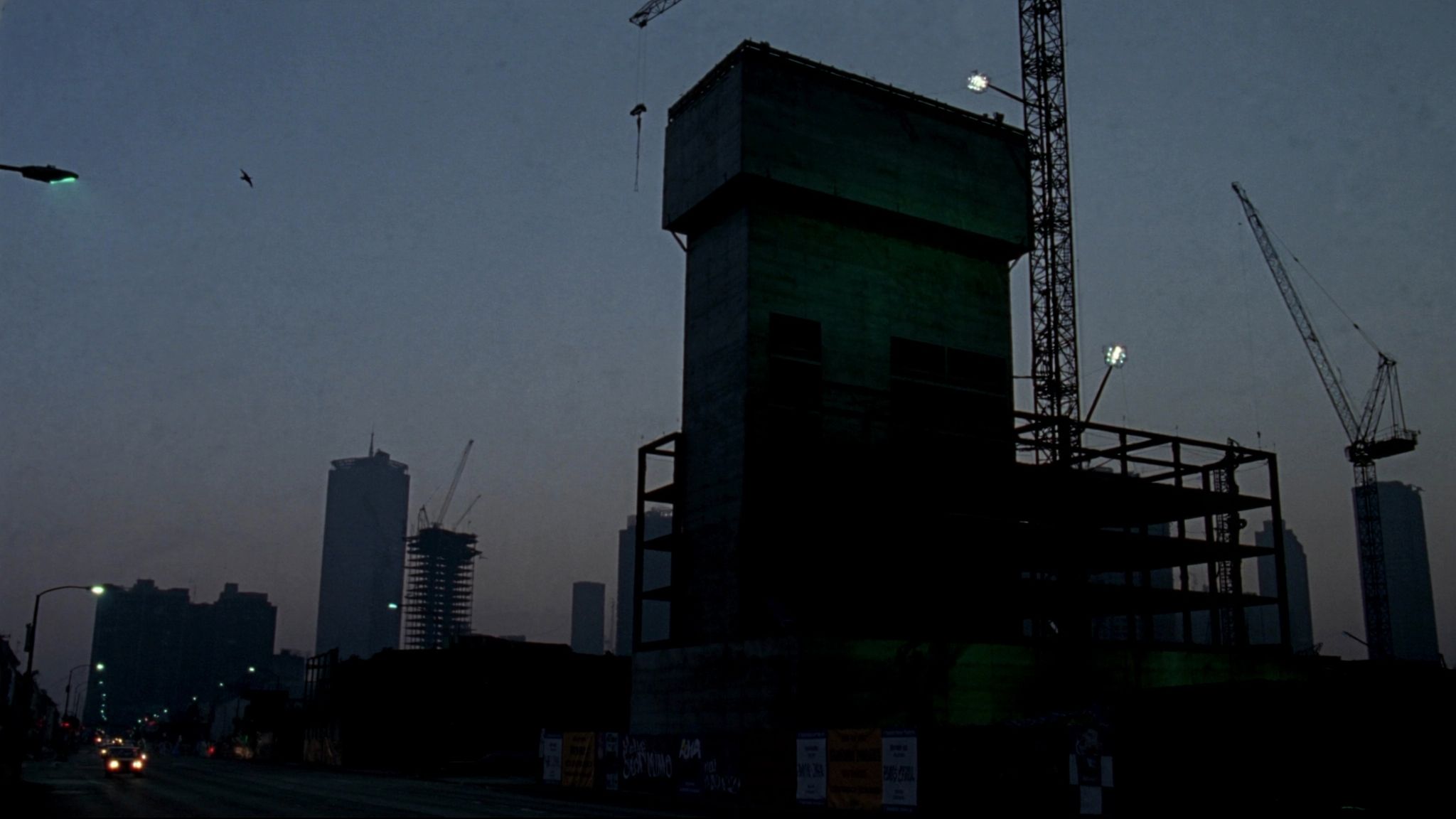
The physical construction. Site work and demolition, foundation, framing, roofing, exterior envelope, windows and doors, plumbing, electrical, mechanical, insulation, drywall, interior finishes, cabinetry, flooring, fixtures, landscaping and hardscape.
Two rules. Break them down far enough that a completion percentage can be verified on site. A line that reads interior finishes across a whole house cannot be inspected in stages, and a line that cannot be inspected in stages cannot be drawn in stages.
And build them from written bids by licensed trades, not from square foot assumptions. A lender reviewing a budget is checking whether the numbers came from somebody who will actually do the work.
Soft costs
Everything that is not the building. Architecture and engineering, permits, plan check, impact and school fees, surveys, soils and environmental reports, insurance including builder’s risk, legal and entity costs, project management, the loan’s own points and fees, property taxes during construction and utilities.
Soft costs have a timing characteristic that matters. Most of them land at the front of the project, before there is any completed work to draw against. Investors who budget soft costs accurately and then discover they are funding them out of pocket in month one have found the single most common construction cash squeeze. Ask the lender how soft costs are treated in the draw schedule before you close.
Contingency
A separate, named line for the things nobody can foresee. It is not padding and it is not a slush fund, it is the acknowledgement that a build is a forecast.
A contingency does three jobs. It absorbs a discovery, which on any project touching an existing structure is close to certain. It absorbs price movement between bid and purchase on long lead items. And it signals experience, because builders who have finished projects include one and builders who have not usually do not.
Where the contingency lives matters too. A contingency inside the loan increases the amount you are borrowing and is controlled by the lender’s change order process. A contingency in your own reserves is faster to deploy and is yours if unused. Experienced borrowers usually carry both, and our post on how much money you need to flip a house explains why reserves are working capital rather than a nice to have.
The interest reserve
Interest has to be paid during construction, and a build produces no income while it is underway. An interest reserve sets aside part of the loan to cover those payments.
It is a trade, not a benefit. The reserve is borrowed money, it counts toward the loan and therefore toward the leverage tests, and it accrues interest itself. What it buys is certainty that the payments get made while every other dollar you have is in the ground. Ask whether one is available, what it costs and how the remaining months are covered if the build runs long.
Ask also whether interest is charged on the full loan amount or only on funds drawn. Over a twenty four month term, that single answer moves the total cost more than most rate negotiations do.

How the budget drives the draw schedule
Map the two documents against each other before closing. Each milestone in the schedule should correspond to a set of budget lines that can be verified as complete.
Front load the verifiable work where you can. Completed stages release money. Work spread thinly across many lines, none of them finished, does not. Our post on how rehab draws and holdbacks work walks through the request and inspection cycle in detail.
The budget mistakes that stall files
Estimates instead of bids. The fastest way to have a budget reviewed downward.
No contingency. Reads as inexperience, and it is usually correct.
Soft costs missing or understated. Permits and fees are not small and they are not late.
Lines too broad to inspect. Makes every draw a negotiation.
A budget that does not match the plans. The reviewer will compare them.
Owner labor valued as cost. Most lenders will not fund your own labor as a cost line. Ask before you build the budget around it.
No allowance for the carry after completion. The loan runs until the exit happens, not until the last inspection. A sale needs a marketing period and a refinance needs processing time, and both are months you are still paying for.
Check the budget against the exit
A budget is only realistic if the finished project supports the loan. Take the total cost, add the carry, and test it two ways.
Against a sale: what do finished comparable properties actually close at, and what is left after selling costs.
Against a refinance: our rental DSCR program publishes LTV up to 80% and terms up to 30 years, and the rental portfolio and multifamily term products publish LTV up to 75%. Apply the cap to the projected finished value and see whether the takeout repays the construction loan in full.
If either test is tight, the budget is where you fix it, by changing scope rather than by hoping. The fix and flip financing guide covers the same arithmetic on smaller projects, and the ground-up construction checklist covers everything that goes around the budget.
Send a draft budget with the plans to (619) 617-2797 or through the borrow page and we will tell you where a reviewer will push back before a reviewer does.