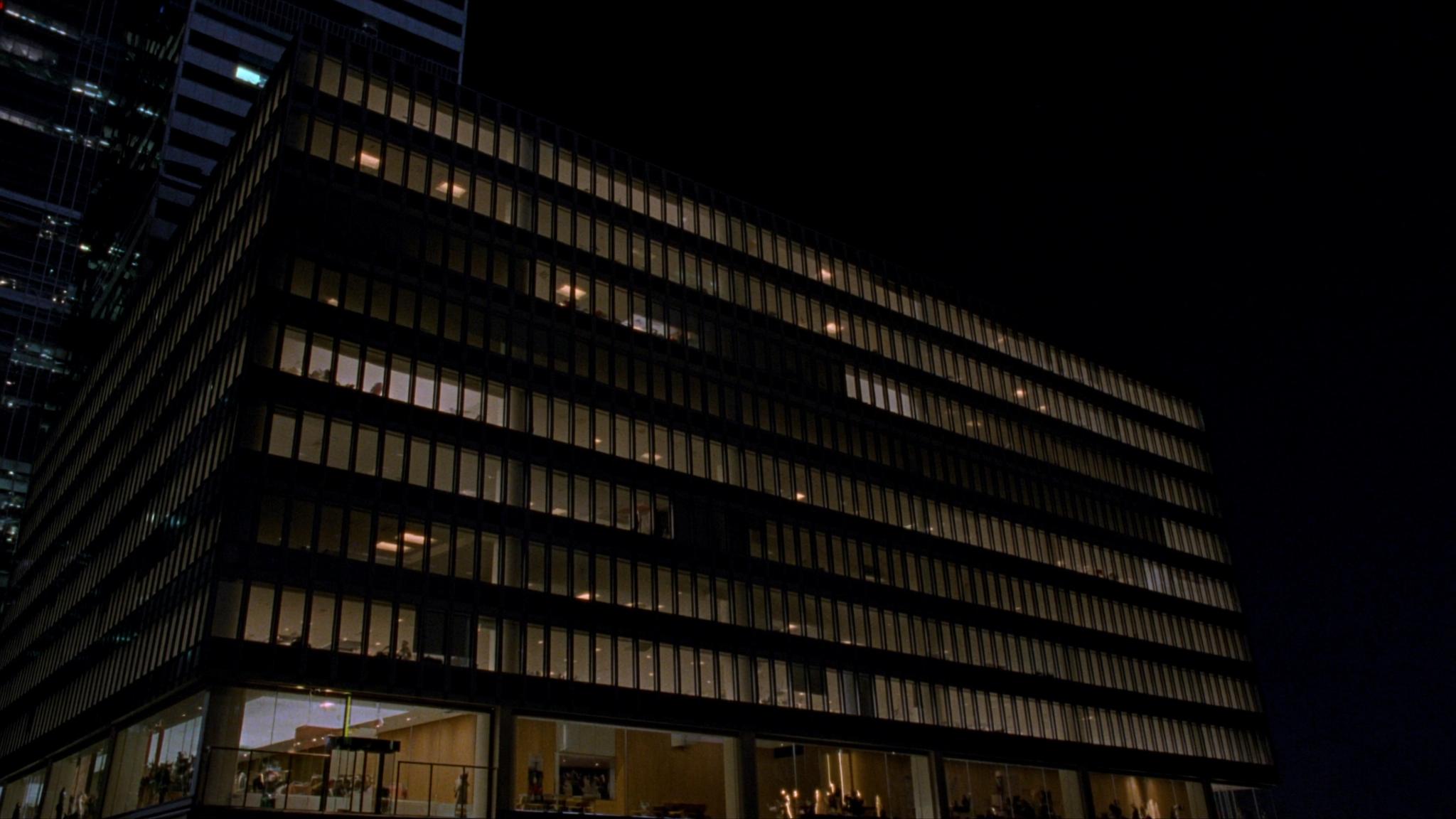
What is an office hard money loan?
An office hard money loan is a short or medium-term loan secured by an office property, underwritten by a private lender on the building’s value, its leases and the borrower’s exit. It exists because office is the asset class where the gap between what a bank will finance and what an investor wants to buy has grown widest. Banks want a stabilized building with credit tenants on long leases; investors are buying buildings with vacancy, short leases or a repositioning plan, at prices that reflect exactly those problems.
The private lender’s method is the same as on any commercial asset. What is the building worth today and after the plan, how much equity sits under the loan, what do the leases say, and how does the loan get paid off. Office adds two questions of its own: what class is the building and what is the leasing market for that class in that submarket. A class B building in a submarket where tenants are moving to class A is a different loan from a medical building on a hospital campus.
At Loan Goat, office is carried by the commercial loans program, whose retail, office and industrial property loan writes hybrid terms on stabilized buildings, and by the bridge loans program, where the small balance bridge names office, medical and owner-occupied office among the asset classes it finances and the hard money commercial bridge lists office as well.
Office property types
Office buildings
Multi-tenant buildings from a two-storey suburban walk-up to a downtown tower. Within the category, three forms are common: co-working, where a single operator leases the building and sublets desks; creative office, converted industrial or loft space with open plans that leases to design, tech and media tenants; and executive suites, small furnished offices leased by the month. Each changes the income profile and the lender’s view of stability.
Office condominiums
Individually owned units within a larger office building, common with professional firms, dentists and small businesses that prefer owning to renting. The lender underwrites the unit and the association: its reserves, its rules on leasing and any special assessments.
Medical office
Buildings and suites built for physicians, dental practices, clinics and labs, often near a hospital. Tenant improvements are heavy and specific, leases are long, and tenants rarely move because relocating a practice is expensive. Regulatory requirements, parking ratios and accessibility standards are part of the underwriting.

Office classes
- Class A. New or recently renovated, prime location, top finishes and systems, institutional tenants. Trades at the lowest cap rates and rarely needs private money except for speed.
- Class B. Older buildings in good locations with functional systems and average finishes. The heart of the value-add market: bought with vacancy, renovated, re-leased and refinanced.
- Class C. Older buildings in secondary locations needing capital. Often bought for conversion, repositioning or land value, and usually financed privately.
Why investors use office hard money loans
- No institutional capital for the building. Lenders that once financed office have tightened or withdrawn, so a buyer with a sound plan still needs a lender that will look.
- Cash-out to renovate. An owner pulls equity from one building to fund lobby, systems and spec-suite renovations that will raise rents. The mixed-use and multi-family loans publish cash out programs, and the bridges fund the work.
- Bank fallout. A lender that retrades on office late in escrow leaves the buyer exposed. A bridge closes on the contract date and the permanent loan follows.
- High vacancy at purchase. The building is cheap because it is empty; the loan is sized on the equity and the leasing plan, not the current income.
- An entitlement bridge. A building bought for conversion to residential, medical or lab use needs a loan that holds it through entitlement.
- An office condo purchase. A professional buying the suite the practice occupies, when a bank’s timeline or condo rules get in the way. Owner-occupied office is named on the small balance bridge card and the SBA programs cover owner-occupied commercial real estate.
Pricing and terms
Only Loan Goat’s published figures appear on this page. The retail, office and industrial property loan: rates from 7.90% private and 6.00% institutional, terms of 1, 2, 3 and 15 years, LTV up to 70%; eligible tenants credit or non-credit; flexible on rollover risk and month-to-month tenancy; single tenant and owner occupied on a case-by-case basis. The small balance bridge, on the bridge program’s terms: one or two years, LTV up to 70% on commercial property, loans from $150,000 to $25,000,000, rates from 9.00% to 13.00%, minimum credit score 650, no prepayment penalty, money for post-close rehab work if applicable. The full cards are printed below.
What is not printed is quoted per deal: points, fees, the rate on a specific building and the leverage the leases support. Office leverage is driven by the weighted average lease term, the tenant mix and the class of the building, so a medical building with ten years of leases and a class B building with two years of leases will not carry the same loan. Rates and pricing are subject to change without notice and are not a commitment to lend; the pricing guide explains the factors.
Qualifying
Property
- A rent roll with lease abstracts showing term, options, escalations and any co-tenancy clauses.
- An operating statement, the capital plan and the leasing plan for any vacant space.
- The building’s class, systems and parking, and any deferred maintenance.
- Clean title and insurable condition; a commercial appraisal where the program requires one.
Borrower
- A minimum credit score of 650 on every bridge structure.
- No borrower experience required on the small balance bridge; comparable experience on the large balance bridge.
- Proof of funds for the equity, closing costs, tenant improvements and leasing commissions, and reserves for the vacancy period.
- An exit the market supports.
Entity
The borrower is usually an LLC or corporation with the principals as guarantors; formation documents and the ownership schedule come with the application, and vesting is confirmed on the Letter of Intent.

Exit strategy
Office bridges exit through a refinance into Loan Goat’s hybrid retail, office and industrial loan once the building is leased, a refinance into a bank loan on a seasoned building, a sale to a long-term holder (often through a 1031 exchange), or a conversion that turns the building into a different asset class with its own permanent financing. Because office leasing takes time, the term is set with the leasing calendar in view, and the exit is agreed before funding.
Where office fits at Loan Goat
- Commercial loans for the hybrid-term retail, office and industrial loan.
- Bridge loans for the small balance bridge (office, medical and owner-occupied office), the large balance bridge and the hard money commercial bridge.
- Bank financing for the SBA 7(a) and 504 programs when the owner occupies at least 51% of the building.
- Cash offers only when the seller wants a buyer who closes like cash.
Conclusion
Office rewards the investor who buys the building for what it will be, not what the headlines say it is, and that investor needs a lender that underwrites the same way. Send the address, the rent roll and the plan, and Loan Goat will tell you which program fits and what it takes to close.