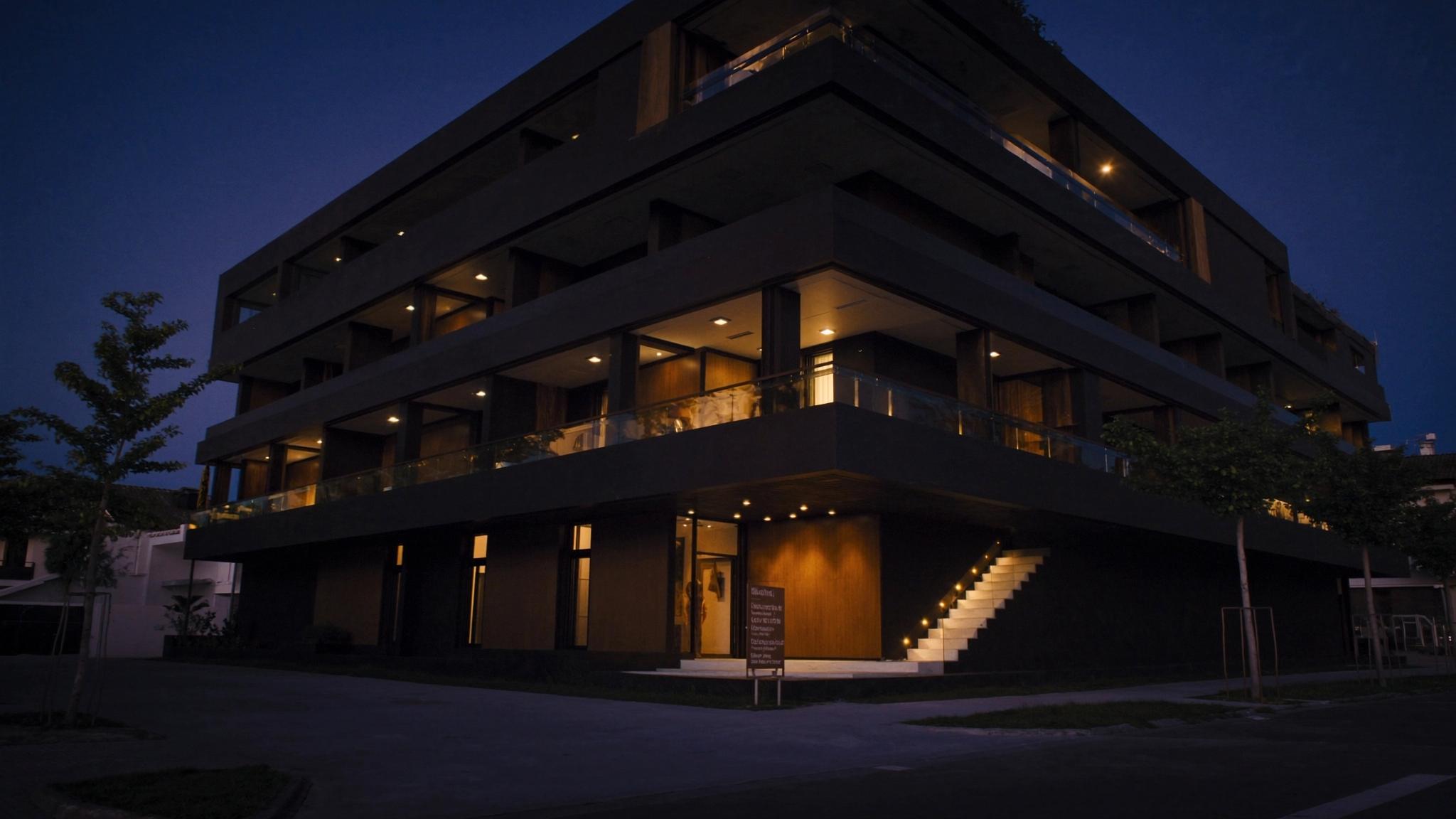
What is a hard money loan on assisted living?
A hard money loan on an assisted living facility is a short-term loan secured by a senior housing property and underwritten by a private lender on the property’s value, its operation and the owner’s plan. Senior housing is unusual among commercial assets because the real estate cannot be separated from the licensed business that runs inside it: the building’s value depends on the census, the census depends on the operator, and the operator depends on the licence.
Permanent lenders handle that complexity with time. Agency seniors housing programs, HUD-insured healthcare loans and bank facilities all want a licensed, stabilized building with a seasoned operating history and an experienced operator. A private lender handles it with underwriting: the real estate first, the plan second and the operation third, which is how a facility in transition, whether it is being bought, renovated, re-licensed or re-tenanted, still gets financed.
Types of senior living properties
- Independent living. Age-restricted apartments with dining, activities and light services, no licensed care. The closest to a conventional multi-family asset and the easiest to finance.
- Assisted living. Licensed residential care with help for daily living, staffed around the clock, regulated by the state. The largest segment and the one this page is about.
- Memory care. Secured units and specialised staffing for residents with dementia, usually inside or beside an assisted living facility. Higher revenue per bed and higher operating cost.
- Residential care homes. Six to twenty beds in a converted house in a residential neighbourhood, licensed as residential care for the elderly in California. The most common small-balance senior housing asset and a frequent hard money file.
- Skilled nursing. Medical facilities with nursing staff and Medicare or Medicaid reimbursement. A different regulatory and financing world, mentioned here only to draw the line.
- Continuing care communities. Campuses that combine every level above, financed institutionally.

Why owners use hard money on senior housing
A few situations account for most files. A purchase of a facility from a retiring owner-operator, where the trailing numbers reflect the seller’s fatigue rather than the building’s potential and a bank will not lend until the new operator has a history. A renovation or expansion that adds beds or memory care and has to be funded before the new revenue exists. A licence transfer, where the buyer needs the property closed before the state completes the operator’s change of ownership and the permanent lender will not fund until it does. A bank fallout late in escrow over the operator’s experience. A partner buyout in a family-owned facility. And a residential care home bought with hard money because its size puts it below every institutional program.
Examples
The patterns below are generic illustrations of how these loans are used, not Loan Goat transactions. A residential care home with six licensed beds, fully occupied, sells to an operator who runs two others nearby; the purchase closes on a bridge because no bank will finance the small balance and the licence transfer at once, and refinances into a bank loan a year later on the seasoned numbers. A 60-bed assisted living building with 70% census and a tired operator is bought by a regional operator; the bridge funds the purchase and the renovation, the census is rebuilt and an agency loan takes out the bridge. A family facility needs capital to buy out one sibling’s share; a loan against the building pays the departing partner and is refinanced once ownership is clean.
How the loan is structured
A senior housing bridge is usually a first lien on the real estate, interest-only, with a term set to the stage the facility is in: a licence transfer and a stabilization period on a purchase, a construction and lease-up period on an expansion, or a marketing period on a pre-sale loan. Because the income depends on the operation, lenders often hold an interest reserve, take an assignment of the management agreement and the licence where the state allows it, and set covenants on census reporting. The borrower is usually the property-owning entity, with the operating entity and the principals as guarantors, and the lender documents both so that the real estate and the operation can be transferred together if the plan fails. No prepayment penalty is the structure to ask for, so the permanent loan can replace the bridge the day the numbers qualify.
Costs and pricing
Senior housing bridges are priced on the same factors as any commercial bridge, with two additions. The standard factors are the property’s value and condition, the leverage requested, the size of the loan, the borrower’s credit and liquidity, and the exit. The additions are the operator and the licence: who runs the facility, how long they have run facilities like it, what the state survey history looks like, and whether the licence transfers cleanly.
Leverage on senior housing is usually lower than on apartments, reserves for the operation are common, and the term is set to the time the census and the licence need to season. Loan Goat does not publish a dedicated senior housing product, so this page prints no leverage, rate or term for it; whether a specific facility fits, and on what terms, is confirmed per deal, and the answer starts with the operating statements, the licence and the plan. Rates and pricing are subject to change without notice and are not a commitment to lend; the pricing guide explains what moves a commercial quote.
Risks
Senior housing carries risks a lender and a borrower should name before funding.
- Licence risk. A licence can be conditioned, suspended or lost, and without it the building has no operation. The transfer on a sale is a state process with its own calendar.
- Operator risk. Census, staffing and reimbursement depend on management; a change of operator is the most common cause of a facility’s decline and of its recovery.
- Regulatory risk. Staffing ratios, survey findings and changes in reimbursement or state rules can change the economics quickly.
- Alternative-use risk. A purpose-built facility has fewer fallback uses than an office or a warehouse; a residential care home has the most, because it is still a house.
- Timing risk. Lease-up of new beds is slow and marketing-driven; a bridge term that is too short forces a refinance before the numbers are ready.
Lenders manage these with lower leverage, reserves, operator review and an exit that does not rest on one buyer. Borrowers manage them with an experienced operator, a realistic census plan and a term with room in it.

Exit: long-term financing options
- Agency seniors housing loans. The main permanent source for stabilized, licensed facilities with experienced operators.
- HUD-insured healthcare loans. Long-term, fixed-rate financing for qualifying facilities, with a long approval process that a bridge is designed to wait out.
- Bank loans. Community and regional banks finance smaller facilities and residential care homes once the numbers are seasoned.
- SBA loans. For an owner-operator, the SBA 7(a) and 504 programs published by Loan Goat cover owner-occupied commercial real estate; see the bank financing program.
- Sale. Healthcare REITs, regional operators and private buyers acquire stabilized facilities, often through a 1031 exchange.
Where assisted living fits at Loan Goat
- Bridge loans and commercial loans are where a senior housing request is reviewed, per deal.
- Multi-family for independent living and for a facility being converted to apartments.
- Cash offers only when a facility is listed for cash buyers.
Conclusion
Assisted living is financed on the building, the operator and the licence together, and a lender who understands all three can move when a bank cannot. Send the operating statements, the licence status and the plan, and Loan Goat will tell you whether the facility fits and what it would take to close.