What is a retail hard money loan?
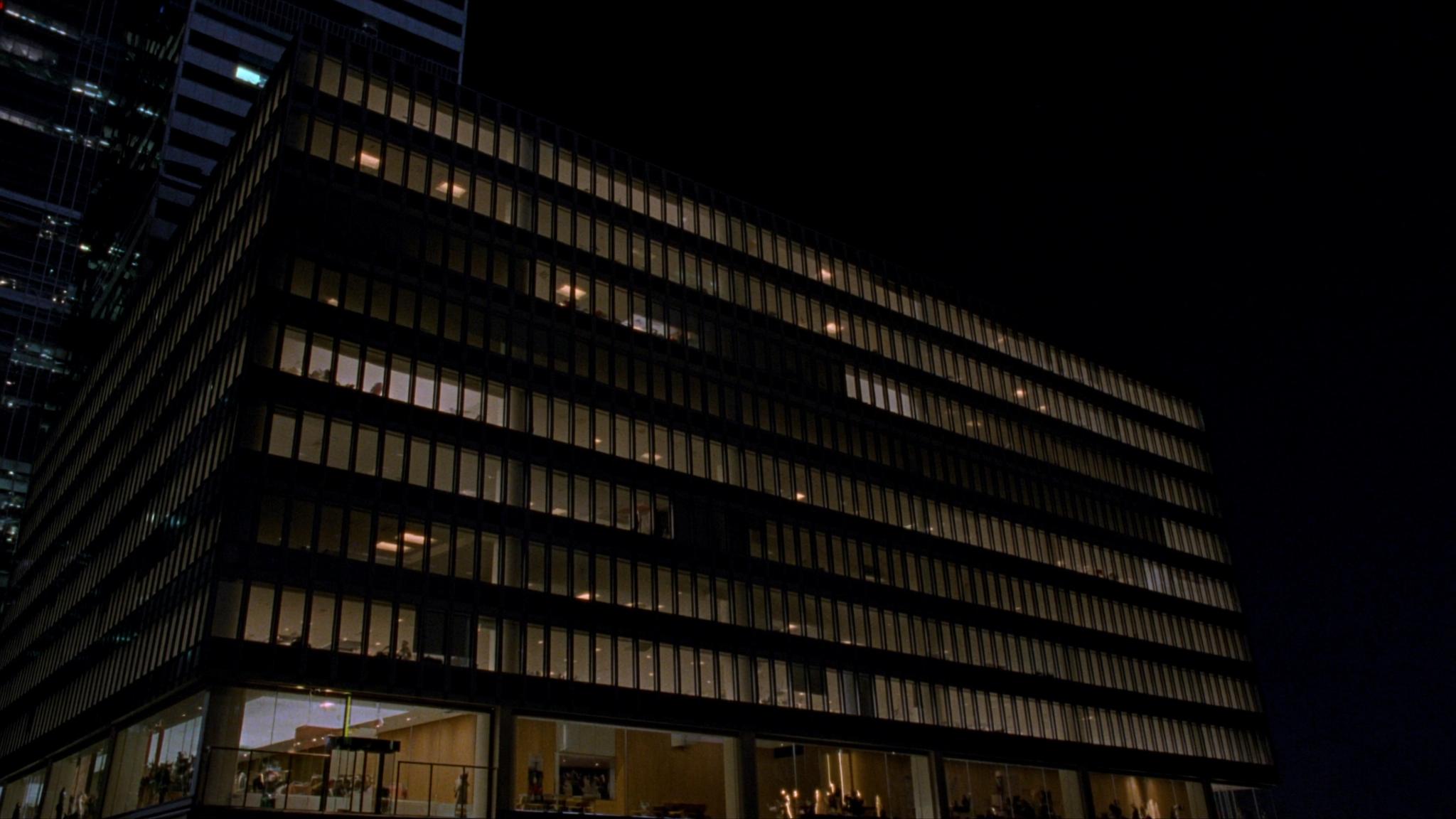
A retail hard money loan is a short or medium-term loan secured by a retail property and underwritten by a private lender on the property’s value, its leases and the borrower’s plan, rather than on the borrower’s tax returns. Retail is the most visible commercial asset class and, since the growth of online shopping, the one banks scrutinise hardest. A center with a vacancy, a tenant whose lease expires next year or a location the bank’s credit policy dislikes is a difficult bank file and an ordinary hard money file.
The underwriting difference is where the lender looks. A bank starts with the tenant’s credit and the borrower’s global cash flow. A hard money lender starts with the real estate: the corner it sits on, the traffic past it, what the space rents for today, what comparable space rents for, and how much equity protects the loan if a tenant leaves. Tenants are a factor, not the decision.
At Loan Goat, retail is carried by the commercial loans program, where the retail, office and industrial property loan writes hybrid terms on stabilized centers, and by the bridge loans program, where the hard money commercial bridge and the small and large balance bridges all list retail among their property types for the centers that are not stabilized yet. Owner-operators who occupy their own retail space have a third route through the SBA programs.
Retail property types
- Regional malls and power centers. Large, anchor-driven and institutionally financed. Private lenders see them at the edges: a pad, an outparcel or a bridge while an anchor is replaced.
- Free-standing retail. A single building with a single tenant: a bank branch, a pharmacy, a quick-service restaurant, a tire shop. The lease is the asset, so its term, its guarantor and its renewal options decide the loan.
- Auto dealerships and service retail. Special-purpose buildings with showrooms, service bays and lots. Valued partly as real estate and partly as a business location; covered in more depth on the automotive and gas station page.
- Outlet centers. Destination retail with a tenant mix that changes with the brands. Underwritten on sales per square foot and lease structure.
- Strip malls. Three to fifteen storefronts on a commercial corridor, usually local tenants on shorter leases. The bread and butter of private retail lending.
- Neighborhood retail. Grocery or drugstore anchored centers serving a residential area. Stable when anchored, transitional when the anchor leaves.
- Mixed-use retail. The ground floor of a building with apartments or offices above, covered on the mixed-use page.

How investors use retail hard money loans
Purchase
A center with vacancy, a short remaining lease term or a seller who wants a fast close sells at a price that reflects the problem. A bridge buys it on the current numbers; leasing and renewals create the value; a term loan or a sale takes the bridge out. Loan Goat’s hard money commercial bridge publishes a close in as quickly as 3 days, and the standard process closes in 5-7 days.
Refinance
A retail owner refinances to replace a maturing loan, to take out a bridge once the center is leased, or to pull cash from a stabilized asset for the next purchase. The retail, office and industrial loan writes terms of 1, 2, 3 and 15 years on stabilized property, and the mixed-use and multi-family loans publish cash out programs for buildings with residential components.
Construction and renovation
A new pad building, a facade and parking renovation, or the build-out of a vacant box for a new tenant. These are transitional projects sized on cost and finished value and drawn as the work completes. The small balance bridge publishes money for post-close rehab work if applicable; the large balance bridge focuses on construction, transitional financing and major rehabilitation projects.
Cross-collateral
When the center does not carry the whole loan, equity in another property is pledged alongside it. Cross collateralization is the published structure of the blanket and cross-collateral loans program, at rates from 8.99% to 12.00% on a first lien.
Underwriting factors
Retail lenders underwrite seven things, in roughly this order.
- The market. Population, income and traffic around the property, and what is being built nearby. The retail, office and industrial loan publishes high foot or auto traffic and good visibility as its retail requirement.
- The tenants and the leases. Who pays, for how long, with what options and what guarantees. Credit or non-credit tenants are both eligible; rollover risk and month-to-month tenancy are handled flexibly.
- The rental income. Current rent against market rent, expense recoveries, and the net operating income after vacancy and management.
- Protective equity. The gap between the loan and the value, which is the lender’s cushion if a tenant leaves. This is why commercial leverage is published at LTV up to 70%, below the 75% on residential bridge.
- The business plan. What the borrower will do during the term: lease, renovate, re-tenant, hold or sell.
- The budget. On any renovation or tenant improvement, the numbers behind the plan and the reserve for overruns.
- The exit. How the loan is paid off, with the evidence that the exit is real.
Pricing and terms
Only Loan Goat’s published figures appear here. The retail, office and industrial property loan: rates from 7.90% private and 6.00% institutional, terms of 1, 2, 3 and 15 years, LTV up to 70%, with premium broker rebates paid and flexible tenancy options. The hard money commercial bridge, on the bridge program’s terms: one or two years, LTV up to 70% on commercial property, loans from $150,000 to $25,000,000, rates from 9.00% to 13.00%, a 650 minimum credit score. The full cards are printed below.
Points, fees, the rate on a specific file and the leverage a specific center supports are quoted per deal. Rates and pricing are subject to change without notice and are not a commitment to lend. The pricing guide explains the factors that move a quote, and on retail the two that matter most are the lease term and the protective equity.
Requirements
- Property. A retail property with visibility and traffic, a rent roll with lease abstracts, an operating statement, and a commercial appraisal where the program requires one. The hard money commercial bridge publishes that on some cases appraisal is not needed.
- Borrower. A credit score of 650 or more on every bridge structure; proof of funds for the equity and reserves; a plan for any vacancy.
- Entity. An LLC, corporation or trust as the borrower, with the principals as guarantors; formation documents and the ownership schedule with the application.
Exit strategy
Retail bridges exit four ways: a refinance into Loan Goat’s hybrid retail, office and industrial loan once the center is stabilized; a refinance into a bank or CMBS loan on a seasoned, anchored asset; a sale, often into a 1031 exchange; or a partial sale of pads and outparcels that repays the loan in tranches. The exit is agreed before funding, and the term is set to give it room.
Where retail fits at Loan Goat
- Commercial loans for the hybrid-term retail, office and industrial loan.
- Bridge loans for the hard money commercial bridge and the small and large balance bridges.
- Bank financing for the SBA 7(a) and 504 programs when the owner occupies the space.
- Cash offers only when the seller wants a buyer who closes like cash.
Conclusion
Retail is the asset class where the real estate and the tenant have to be underwritten separately, and a private lender is built to do that quickly. Send the address, the rent roll and the leases, and Loan Goat will tell you which program fits the center and what it takes to close.